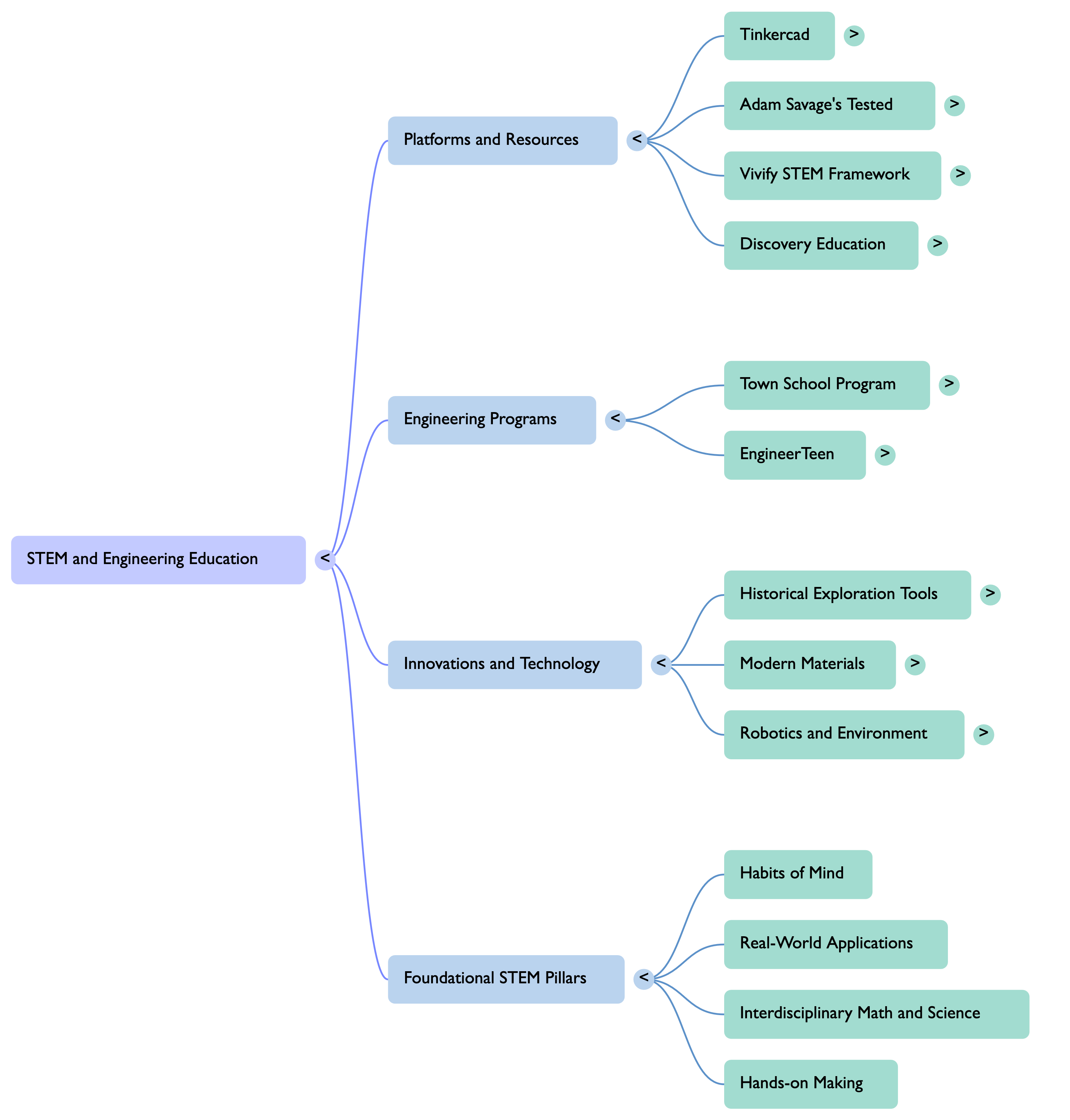
General themes for K-6 teachers to use when teaching engineering revolve around the concept of engineering as an “integrating force” that allows students to apply math and science to solve human-made problems.
Foundational Themes and Concepts
- Engineering “Habits of Mind”: Instead of focusing solely on technical skills, teachers should emphasize a mindset that includes creativity, persistence, collaboration, and systems thinking. This involves teaching students to view problems through a lens of ethical problem-solving, adapting, and improving existing designs.
- The Engineered (Human-Made) World: A key theme is helping students realize that nearly everything they touch—from smartphones to roller coasters—is a result of engineering designed to make life easier or healthier. This helps students distinguish between the natural world (science) and the human-designed world (engineering).
- Making and Hands-On Exploration: Engineering education for younger students should prioritize hands-on “making” to develop an intuition for material properties, structural integrity, and the use of tools.
Real-World and Cross-Subject Integration
- Accessibility and Inclusivity: Teachers can use themes like accessibility to challenge students to reimagine local spaces to be more inclusive, such as building models that address real-world mobility challenges.
- Historical Engineering: Engineering can be taught through the lens of history and social studies by examining how ancient cultures, like the Egyptians, solved problems or how 15th-century maritime technology (e.g., the astrolabe and caravel) enabled global exploration.
- Sustainability and Environment: Contemporary challenges, such as plastic waste or sustainable construction, provide rich themes. Students can explore how nature (like marine fungus) interacts with human waste or how recycled materials can be used for “Lego-like” modular house construction.
Technical Domains for K-6
- 3D Modeling and Design: Using intuitive tools like Tinkercad, students can engage in “what if” scenarios, designing everything from rockets and cars to functional parts for 3D printing.
- Physics and Motion: Simulation software can be used to teach complex concepts like motors, gears, springs, and centrifugal force through game-like challenges.
- Emerging Technologies: Themes can include robotics—such as building “Sumo Bots” or exploring soft robotics inspired by origami—and renewable energy, such as designing wind turbines.
Career Exploration
- Future Readiness: Teachers should introduce students to diverse STEM professionals and the vast array of career paths available, helping them connect classroom projects to real-world industries like steel manufacturing or aerospace.


